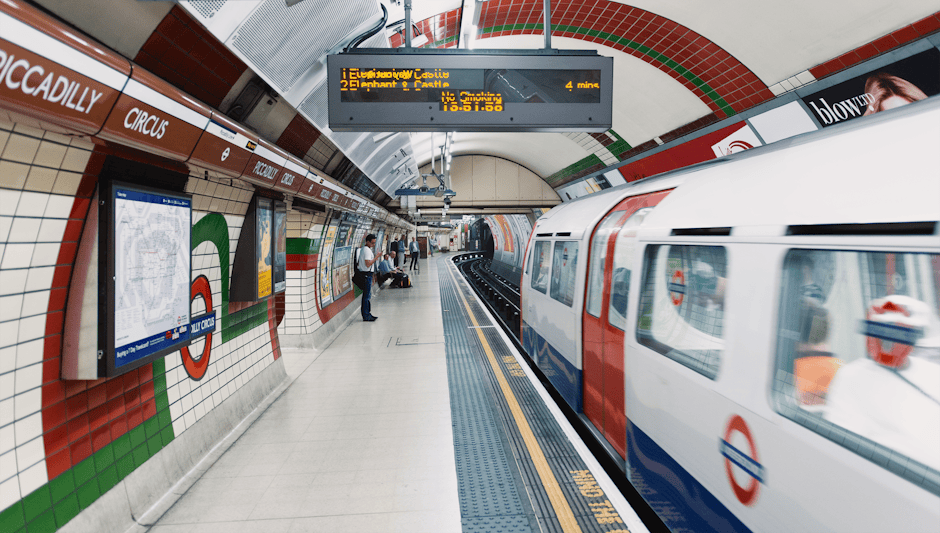
Arthur Road to Southfields Tube: Best Local Moving Routes
Posted on 22/05/2026
Moving from Arthur Road to Southfields Tube can look straightforward on a map, and to be fair, it often is. But anyone who has tried to push a sofa through a tight hallway, time a van around school runs, or dodge a sudden queue near the station knows the real story is a bit messier. The best local moving routes are not just about distance; they are about access, loading space, timing, traffic patterns, and how smoothly your move actually feels on the day.
In this guide, we break down the practical side of moving between Arthur Road and Southfields Tube so you can plan a safer, calmer, and more efficient move. Whether you are shifting a flat, a few bulky items, student belongings, or a full household, the route choices you make can save time, reduce stress, and protect your furniture. And yes, a small mistake here can turn a tidy move into a sweaty little drama pretty quickly.
This article also links you to useful support on packing, lifting, furniture protection, and local removal options, so you can build a move plan that actually works in the real world.
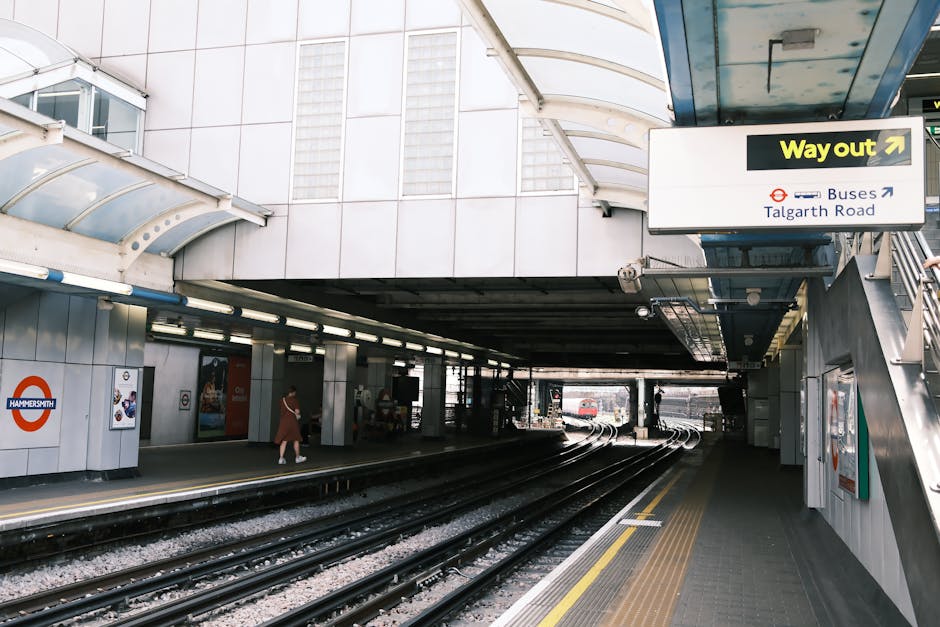
Why Arthur Road to Southfields Tube: Best Local Moving Routes Matters
On paper, Arthur Road and Southfields Tube are close enough that you might assume the move is all about the lifting. In reality, local transport logistics matter just as much as muscle. A short route can still be awkward if the street is narrow, parking is restricted, or the best unloading point is not where you first expected it to be.
This is especially true in London, where a few minutes can disappear because of delivery traffic, pedestrians, school drop-offs, or a van that cannot pause where you hoped. The route itself shapes the whole move: how many trips you need, whether a larger vehicle makes sense, and whether heavy items like wardrobes or beds can be handled in one go or need careful staging.
It also matters because the right route reduces damage. Fewer awkward turns, less carrying over distance, and fewer rushed manoeuvres means less chance of scratched floors, scuffed doorframes, or a sore back at the end of the day. If you are planning a more detailed house move, our house removals in Southfields page is a useful place to start, especially if you want a fuller service rather than just transport.
And there is a confidence factor too. When people know the route, the loading point, and the likely pinch points, the move feels less like improvisation and more like a controlled job. That calm really does show.
How Arthur Road to Southfields Tube: Best Local Moving Routes Works
The best moving route is not always the shortest one. It is the route that balances access, time, safety, and convenience. Between Arthur Road and Southfields Tube, you are usually working within a compact local area, but the path you choose may differ depending on the size of the vehicle, the time of day, and the type of property involved.
In practical terms, a good route plan usually involves four decisions:
- where the vehicle can legally and safely stop;
- how far items must be carried from the door to the van;
- whether any route includes steps, tight turns, or low-hanging obstacles;
- how to avoid peak congestion or busy pedestrian periods around Southfields Station.
For smaller loads, a man and van service in Southfields can be ideal because it offers flexibility without the overhead of a full-scale removal team. For larger or heavier loads, a more structured approach is often better, especially if you need wrapping materials, trolleys, or a second pair of hands.
It helps to think of route planning as part geography, part timing, and part common sense. Truth be told, common sense does a lot of the heavy lifting here.
What usually changes the route choice?
Three things usually change the decision. First, vehicle size. A large van may be more efficient, but only if it can stop where it needs to. Second, item type. A mattress is awkward in a different way from boxed kitchenware, and a piano is in a category of its own. Third, the day and time. Early morning often works better than late afternoon, but only if your building access matches that schedule.
If you are moving furniture, the safest option often starts before the van is even loaded. Take a look at furniture removals in Southfields for a sense of how the right handling approach can make the route easier as a whole.
Key Benefits and Practical Advantages
The main benefit of choosing the right route is simple: less friction. Not the abstract kind. The actual friction that comes from dragging a sofa through a narrow gap, circling the block because there is nowhere to stop, or carrying boxes farther than you planned.
Here are the advantages that tend to matter most:
- Less physical strain: shorter carry distances and smarter loading points reduce lifting fatigue.
- Lower damage risk: fewer handling stages usually means fewer knocks and scrapes.
- Better time control: a sensible route keeps the day moving at a steadier pace.
- Cleaner coordination: if the van arrives, loads, and leaves smoothly, everything else feels more manageable.
- Less stress around the station area: busy local streets can become surprisingly cluttered at the wrong moment.
There is also a planning advantage. Once you know your route, you can match the rest of the move to it. For example, if the access is tight, you can pre-pack smaller boxes, use better cushioning, and avoid leaving awkward items for last. Our packing tips guide is helpful if you want to reduce the number of moving-day surprises.
Expert summary: the best local moving route is the one that reduces carrying distance, avoids parking frustration, and suits the size of the items you are moving. Shorter on the map is not always shorter in practice.
Who This Is For and When It Makes Sense
This kind of route planning is useful for a lot of people, not just those moving a full house. If you are heading from Arthur Road to Southfields Tube with boxes, a few pieces of furniture, or a split move spread over several trips, the same logic applies. Route planning becomes even more important if you are trying to fit the move around work, childcare, or a narrow handover window.
It makes sense for:
- Flat movers: especially where stairs, shared entrances, and parking restrictions are part of the puzzle.
- Students: who often need a small, efficient move with limited time and budget. See student removals in Southfields for a more tailored option.
- Families: moving larger loads, bulky items, and everyday essentials in a single organised flow.
- Office movers: where timing and access matter just as much as physical handling. The office removals Southfields service is relevant if equipment and desks are involved.
- Anyone with heavy or awkward items: pianos, beds, wardrobes, and large sofas need more than just a van.
If you are on a tight schedule or need to move quickly, same day removals in Southfields may also be worth considering, provided access and availability line up. That said, same-day jobs work best when you already know what is moving and how it will be loaded.
Not every move needs a fully bespoke plan. But the moment your furniture gets awkward, your timings get tight, or the street outside starts to matter, it really does.
Step-by-Step Guidance
A sensible moving route is built in layers. You do not need to turn this into a military operation. You just need a sequence that keeps the day from getting chaotic.
- Walk the route in your head first. Think about where the van can pause, where you will carry items, and what obstacles might appear.
- Measure the bulky pieces. A sofa or mattress that fits the room may still be awkward at the stair turn. Our guide to moving mattresses and beds safely covers the kind of problem that catches people out.
- Decide what should be loaded first. Heavy and stable items usually go in before fragile boxes.
- Prepare the access point. Clear hallways, remove trip hazards, and make sure the doorway can be used without drama.
- Check the parking and stopping plan. Even a short local move can be slowed down if the vehicle has to double back or wait.
- Protect the items properly. Blankets, straps, mattress covers, and corner protection are not optional extras.
- Move in phases. If the property is hard to access, split the job into smaller loads rather than forcing one risky carry.
- Do a final sweep. Empty cupboards, under-bed storage, sockets, and bathroom ledges. The last forgotten charger is always the one you needed most, funny that.
If you are decluttering before the move, this is the right moment to simplify. Our decluttering techniques guide can help you remove the items that are just taking up space and weight. Fewer items usually mean fewer route complications. Simple, but effective.
For people who prefer a full overview of the moving process, removals in Southfields gives a useful broad picture of service options.
Expert Tips for Better Results
Most local moves go better when you plan for the awkward bits rather than hoping they will magically behave. They usually do not. Here are the details that make a noticeable difference.
- Choose quieter windows: early mornings and midweek slots often work better than peak commuter times, though local conditions can change.
- Keep one bag with essentials: keys, phone charger, water, documents, tea bags. Yes, tea bags. Small comfort, big payoff.
- Use proper lifting technique: bend through the legs, keep loads close, and do not twist while carrying. If the item is too awkward, stop and reset.
- Protect the van interior: a few blankets can prevent expensive irritation later.
- Label boxes clearly: this reduces the number of stops you make at the destination and speeds up unloading.
- Keep walkways clear at both ends: the route is not just the road outside; it includes the inside path from room to vehicle.
For anyone handling bulky or sentimental items, professional care can be the smarter route. If you are worried about damage to a corner sofa, the article on protecting sofas during a move is a good companion read. And if a piano is part of the job, do not wing it; read why professionals are trusted with piano moves before deciding how to proceed.
A small note from experience: a move becomes much easier once everyone involved knows where the first box is meant to go. Sounds obvious. Still gets skipped all the time.
Common Mistakes to Avoid
Even a short move between Arthur Road and Southfields Tube can go wrong in familiar ways. The good news is that most of them are avoidable.
- Assuming the closest route is the best route: it may not suit parking, traffic flow, or loading access.
- Leaving route planning until moving day: this is how delays begin.
- Underestimating item size: mattresses, wardrobes, and desks often need more space than people expect.
- Using the wrong vehicle: too small means multiple trips; too large may be harder to park.
- Forgetting to protect the item edges: the damage often happens at the last corner, not in the middle.
- Ignoring the final clean and handover: a messy finish can sour an otherwise smooth move. If you need support, this pre-move-out clean guide is worth a look.
One of the most common problems is trying to make a move look easier than it is. There is no prize for pretending the wardrobe is light when clearly it is doing its best to become part of the stairwell.
If your move is a full household change rather than a single-item run, it can also help to review how to move house with confidence and less stress. It is a good reminder that preparation beats panic every time.
Tools, Resources and Recommendations
Good tools do not make a bad plan good, but they do make a good plan much safer. For this type of local move, the most useful items are usually simple.
- Furniture blankets: to reduce scuffs and impact damage.
- Ratchet straps or load straps: to keep items stable in transit.
- Furniture dollies or sack trolleys: useful for heavier boxes and appliances when the surface is suitable.
- Mattress bags: ideal for keeping fabric clean on short local journeys.
- Strong tape and labels: basic, but indispensable.
- Boxes in mixed sizes: smaller boxes for heavy items, larger ones for lighter bulky items.
If you want a broader packing setup, the packing and boxes in Southfields page is useful for sourcing the right supplies and understanding what to keep on hand. For customers who prefer to outsource more of the process, a local removal services option can simplify the whole experience.
For anyone watching the budget, pricing clarity is worth asking about upfront. Our pricing and quotes page is a good starting point if you want a better feel for what affects cost. And if payment security matters to you, it should, the payment and security information page is there for peace of mind.
Law, Compliance, Standards, or Best Practice
For a local move like Arthur Road to Southfields Tube, compliance is less about red tape for its own sake and more about sensible, lawful, and safe operation. In practice, that means parking legally, loading responsibly, keeping access routes clear, and following accepted moving and lifting best practice.
Users should also think about insurance and property care. If a mover is handling your furniture, it is reasonable to ask how items are protected and what happens if something is damaged. That is not being difficult; it is basic due diligence. The insurance and safety page offers a useful overview of how careful handling should be approached.
Health and safety matters too, particularly when stairs, narrow entrances, or awkward lifting are involved. Good practice usually includes:
- keeping paths clear to reduce trip hazards;
- using two-person lifts for bulky items where needed;
- not overloading boxes;
- planning rest points for larger moves;
- using suitable equipment rather than improvising with whatever is nearby.
If you are interested in the company standards behind service delivery, the health and safety policy, terms and conditions, and about us pages are useful reference points. That kind of transparency matters, especially when your belongings are being handled in a busy urban setting.
For environmentally conscious readers, there is also a practical side to this: using the right number of trips, reusing packing materials where sensible, and considering recycling and sustainability options for unwanted items can cut waste and make the move feel cleaner overall.
Options, Methods, or Comparison Table
There is no single best method for every move. The right choice depends on how much you are moving, how fragile it is, and how much access you have. Here is a simple comparison to help you decide.
| Method | Best for | Pros | Watch out for |
|---|---|---|---|
| Self-move with a hired van | Small moves, flexible schedules | Lower direct cost, full control | Heavy lifting, parking stress, more time needed |
| Man and van service | Flat moves, medium loads, short local routes | Practical, efficient, adaptable | May still need good packing and route planning |
| Full removals team | House moves, bulky furniture, busy access points | Less physical effort, more support | Higher cost, more coordination needed |
| Same-day local move | Urgent moves, short-notice changes | Fast response, flexible timing | Availability can be tight, preparation still matters |
For many Arthur Road to Southfields Tube moves, a local man with a van in Southfields hits the sweet spot. It is usually enough support for a local job without becoming overcomplicated. But if you have lots of furniture or a difficult property layout, a more complete service may be the better call.
Case Study or Real-World Example
Picture a typical late-morning move. A one-bedroom flat on Arthur Road, a couple of boxes, a bed frame, a mattress, a coffee table, and one stubborn wardrobe that looks lighter than it is. The resident wants to be out before the afternoon, and the new place near Southfields Tube has access that is fine, but not exactly spacious.
The first plan was to park as close as possible and take everything in one rush. That sounded efficient. In reality, the van would have blocked the easiest entrance point and created more carrying back and forth than necessary. So the plan changed slightly: a short stop for the bulkier pieces, careful wrapping for the table edges, then a second loading phase for the boxes and smaller items.
That small adjustment changed the whole pace of the move. The furniture arrived intact, the hallway stayed clear, and the move finished without the usual last-minute scramble for missing keys or tape. Nothing flashy. Just steady, sensible work.
If this kind of setup sounds familiar, especially with a mix of furniture and household items, the combination of furniture removals, packing support, and a properly timed route is often the safest option. It is not glamorous. It just works.
Practical Checklist
Use this checklist to keep your Arthur Road to Southfields Tube move organised from start to finish.
- Confirm the moving date and target time window.
- Check the access at both properties, including stairs, lifts, and doorway width.
- Decide whether the route needs a short-stay loading point or roadside stop.
- Measure bulky furniture before moving day.
- Pack heavy items into smaller boxes.
- Label fragile items clearly.
- Protect sofas, beds, and mattresses with the right covers or wrapping.
- Set aside essentials you will need straight away.
- Clear hallways, entrances, and the path to the vehicle.
- Prepare ID, keys, and any building access instructions.
- Keep a simple inventory of the main items.
- Check the unloading spot at the destination before the van arrives.
If you want help getting the order of operations right, a quick read through solo heavy lifting guidance can be useful, even if you are hiring help. It sharpens your judgement about what should be moved, wrapped, or left to the professionals.
And if you are in the middle of a bigger life transition, not just a change of address, this stress-reduction guide may be exactly the calm nudge you need.
Conclusion
Arthur Road to Southfields Tube may be a local move, but local does not mean simple. The best routes are the ones that respect the street, the vehicle, the furniture, and your time. Once you take access, timing, and item handling seriously, the whole job becomes easier to manage and far less risky.
The real win here is not just getting from one point to another. It is getting there without breaking your back, scuffing the walls, or spending half the morning circling for parking. A good route plan saves energy where you need it most, which is usually right at the end of the move when everyone is tired and the kettle is calling.
If you want a move that feels steady, organised, and properly supported, use the route planning advice here as your starting point, then match it to the right service level for your load. Small move, big move, short hop or not, the same principle holds: plan it well and the day gets easier. Much easier.
Get a free quote today and see how much you can save.