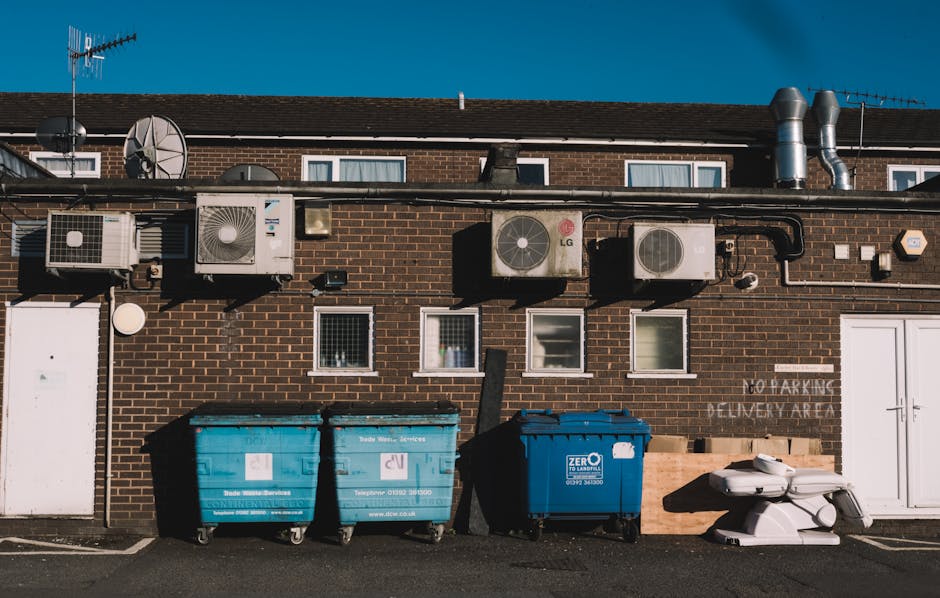
Bulky Waste in SW18: Sofa, Fridge & Disposal Options
Posted on 02/06/2026
If you have a sofa wedged in a hallway, a fridge that has stopped working, or a pile of bulky items that simply will not fit in a car boot, you are not alone. Bulky Waste in SW18: Sofa, Fridge & Disposal Options is one of those everyday problems that sounds simple until you start lifting, booking, and checking what can actually be taken away. Truth be told, the hard part is often not the item itself. It is choosing the right disposal route, avoiding damage, and making sure the whole thing is handled properly.
This guide walks you through the practical options available in SW18, with a clear focus on sofas, fridges, and other large household items. You will find what bulky waste usually means, how collections and removals tend to work, when a same-day option makes sense, and how to avoid the classic mistakes that cost time, money, and a bit of patience. It is written to help you decide quickly, but sensibly.

Why Bulky Waste in SW18: Sofa, Fridge & Disposal Options Matters
Bulky waste matters because large items create problems that small household waste never does. A sofa may block a corridor. A fridge may need safe handling because of its weight, contents, or built-in components. And if you are in a flat in SW18, access can be just as important as the item itself. Stairs, tight entrances, parking limitations, and lift access all shape what is possible.
There is also the matter of where the item ends up. A badly planned disposal can leave you with an item sitting outside for longer than intended, or with a collection attempt that fails because the preparation was not right. Nobody wants that awkward "we'll need to come back another day" moment. It happens more often than people think.
For many households, bulky waste becomes urgent during a move, after a replacement purchase, or when a tenant needs to clear a property quickly. In those cases, the disposal decision is not just about removal. It is about timing, convenience, safety, and avoiding unnecessary disruption.
Used well, a proper bulky waste plan can save lifting injuries, reduce stress, and help you keep a move-out or refresh on schedule. If you are already planning a wider relocation, the advice in proven decluttering techniques for moving success can make the bulky-item clear-out much easier.
How Bulky Waste in SW18: Sofa, Fridge & Disposal Options Works
There is no single route that fits every bulky item. In practice, you usually choose between collection, reuse, relocation, or professional removal. The right option depends on condition, urgency, access, and whether the item needs special handling.
A sofa in decent condition might be suitable for reuse or removal to storage. A broken fridge, on the other hand, may need a more careful route because fridges can include refrigerant gases and components that are not treated like ordinary rubbish. That does not mean it has to be complicated, but it does mean it should not be treated casually.
For SW18 households, the process often starts with a quick assessment:
- Is the item usable, repairable, or only fit for disposal?
- Can it be moved safely from its current position?
- Will it fit through doors, stairs, and hallways without damage?
- Is there parking or loading access nearby?
- Do you need same-day help or can it wait?
Once you answer those questions, the route becomes much clearer. If the item is part of a larger home move, it may be worth combining it with other furniture handling through a service such as furniture removals in Southfields. That can be more efficient than arranging several separate trips, and it often feels far less chaotic.
There is also a practical difference between "disposing of" and "moving away." Some items are best taken to storage temporarily, especially if you are not fully sure whether you want to keep them. For that kind of decision, storage in Southfields can buy you time without forcing a rushed choice.
Key Benefits and Practical Advantages
A well-managed bulky waste removal does more than clear floor space. It removes friction from the rest of your day. That sounds slightly dramatic, maybe, but anyone who has tried to steer a sofa down a narrow landing at 8am knows what I mean.
The most obvious benefit is safety. Large items are awkward. They can shift, snag, scrape walls, or strain your back if you are trying to do too much alone. Professional handling or a properly planned collection reduces that risk significantly.
There is also time efficiency. A sofa that takes two people an hour to wrestle through a stairwell can sometimes be handled in a fraction of the time by a team with the right approach and equipment. The same goes for fridges, especially when doors, floors, and turning space are limited.
Other strong advantages include:
- less chance of damage to walls, floors, and door frames
- fewer moving-day delays
- clearer planning for tenants, landlords, and homeowners
- better organisation when replacing old furniture or appliances
- more environmentally sensible handling when reuse or recycling is possible
If you are already arranging a move, removing bulky waste early often makes everything else feel lighter. The rooms look clearer, packing becomes simpler, and you are not stepping around one final "problem item" all week.
Who This Is For and When It Makes Sense
This kind of service is useful for a wide mix of people in SW18. A family clearing a spare room, a student moving out of a flat, a landlord preparing a property, or a householder replacing old furniture can all benefit from the same basic idea: move the large item out safely and with the least fuss possible.
It makes particular sense when:
- you have a sofa that will not fit in a standard car or taxi
- a fridge needs removing before a kitchen replacement or tenancy handover
- the item is too heavy or awkward for one person to manage safely
- your building has tight access or awkward parking
- you need quick turnaround, perhaps due to check-out deadlines
Students, in particular, often need a tidy and fast solution at the end of term. If that sounds familiar, student removals in Southfields can be a sensible route when bulky pieces need to go with the rest of the move.
To be fair, some people only realise they need help once the item is already halfway out the room and everyone is a bit stuck. That is exactly the moment when a same-day or flexible service can save the day. For urgent cases, same-day removals in Southfields may be worth considering.
Step-by-Step Guidance
Here is the clearest way to handle bulky waste without overcomplicating it.
- Identify the item and its condition. A clean, usable sofa may be suitable for moving or reuse. A damaged fridge may need disposal rather than relocation.
- Measure the route out. Check door widths, stair turns, hall corners, and lift dimensions. A few centimetres can make all the difference.
- Decide whether dismantling helps. Some sofas come apart; some do not. Fridge doors may need careful securing. Do not force parts that are not designed to come away.
- Prepare the area. Clear shoes, mats, plant pots, loose cables, and anything else that could become a trip hazard.
- Protect floors and surfaces. Thick blankets, edge protection, and simple wrapping can prevent scuffs. For sofas, a few additional precautions are rarely wasted; see sofa shielding secrets for practical ideas.
- Choose the disposal route. Reuse, donation, removal, or disposal all have different pros and cons.
- Book the right vehicle and help. For bigger items, a suitable van and enough manpower matter more than people expect.
- Confirm timing and access. If parking is tight in your part of SW18, plan ahead. The guide on parking access in Southfields is useful here.
- Complete the handover or collection. Make sure the item is fully removed, the route is checked, and any final screws, cables, or detached parts are dealt with properly.
One practical point people overlook: fridge removal is not just a lifting job. It is also about stability. Fridges are heavy in a way that feels oddly awkward, almost stubborn. They can tilt, lurch, and catch on door frames, so steady handling is key.
Expert Tips for Better Results
There are a few habits that make the whole process smoother. They are small things, but they save trouble.
- Empty fridges fully before moving. Food, shelves, trays, and loose containers add mess and weight.
- Take photos before dismantling anything. If you need to reassemble or explain the item to someone else, those photos help.
- Use two people for bulky lifting whenever possible. Even if you are strong, an extra pair of hands improves control.
- Pad corners and sharp edges. Sofa feet, fridge handles, and worn metal edges are classic snag points.
- Plan the exit before the lift starts. The biggest mistake is often lifting first and thinking later.
For households doing a broader clear-out, the packing advice in innovative packing tips to ease your house move can help you group smaller items efficiently so the bulky item is not fighting for space with half the contents of the kitchen.
And if the sofa or bed is just one part of a bigger bedroom clear-out, moving a mattress and bed safely is a helpful companion read. Weirdly, these jobs tend to show up together.
Let's face it, no one wakes up excited to wrestle a three-seater through a terraced hallway. But a bit of planning turns it from a nightmare into a manageable task. Mostly manageable, anyway.
Common Mistakes to Avoid
Most bulky-waste headaches come from avoidable errors. The good news is they are easy to recognise once you know what to look for.
- Underestimating size and weight. Items look smaller in a room than they do in a doorway.
- Forgetting access restrictions. A van may be nearby, but if parking or loading is awkward, the job can stall.
- Trying to drag items instead of lifting properly. That is how floors get scratched and backs get annoyed.
- Leaving collection to the last minute. This is especially risky around moving day or end-of-tenancy deadlines.
- Not checking whether the item can be reused. In some cases, moving or repurposing is better than disposal.
- Ignoring specialist handling needs. Fridges, especially older or larger units, should not be treated exactly like a sofa.
Another common mistake is assuming all removal help is the same. It really is not. A reliable service that understands household bulky waste, tight access, and safe lifting will feel different from a generic pickup. The detail matters.
If you are comparing providers, it can help to review removal services in Southfields alongside man and van support in Southfields and see which approach fits your item, timing, and building access.
Tools, Resources and Recommendations
You do not need a van full of specialist kit to handle every bulky item, but a few practical tools make a noticeable difference. Think gloves, blankets, tape, strong straps, a trolley where suitable, and basic floor protection. Nothing glamorous. Just useful.
For a sofa, blankets and straps help keep it stable and stop fabric snagging on corners. For a fridge, secure the doors and keep the unit upright whenever possible. If you are unsure about what can be safely removed or wrapped, it is usually better to pause than improvise.
Recommended planning tools include:
- a tape measure for doors, stairs, and lift sizes
- sticky notes or masking tape for marking parts that detach
- blankets or covers for surface protection
- strong gloves with grip
- a phone camera for route and access checks
For local movers who want a broader overview of what assistance is available, the services overview is a useful starting point. And if you are weighing whether you need a larger vehicle or a lighter one, removal van options in Southfields can help frame the decision.
If your bulky waste issue is part of a bigger house transition, the article move house with confidence and no stress gives a nice wider perspective. It is one of those pieces that quietly saves you from overthinking everything.
Law, Compliance, Standards and Best Practice
When disposing of or moving bulky waste in the UK, the important thing is to act responsibly and choose a method that suits the item. You do not need a law degree for this, thankfully, but you do need common-sense compliance.
In plain English, best practice means:
- do not leave items where they could obstruct pathways or create hazards
- do not put heavy waste out in a way that could injure passers-by or residents
- treat appliances like fridges with extra care because of their components
- use a reputable removal approach rather than relying on guesswork
- follow any building rules about access, loading, and shared areas
If the item is being handled by a third party, it is wise to confirm that they have appropriate insurance and safety procedures. That is not overcautious; it is sensible. A scratched wall or damaged floor can be more expensive than the item you were trying to move in the first place.
For more on practical standards and safe working methods, health and safety guidance and insurance and safety information are worth reading before you book anything. If you care about the destination of removed items, recycling and sustainability is also relevant, especially when you want to minimise unnecessary waste.
Options, Methods, or Comparison Table
Different disposal routes suit different situations. The table below gives a clear, practical comparison.
| Option | Best for | Advantages | Things to watch |
|---|---|---|---|
| Reuse or donation | Sofas and furniture in decent condition | Extends item life, avoids waste, often simpler if accepted | Condition standards can be strict; not every item qualifies |
| Professional bulky-item removal | Heavy, awkward, or urgent items | Safer lifting, better access handling, less disruption | Book early when possible; confirm access and item details |
| Same-day collection | Last-minute clearances and move-outs | Fast turnaround, helpful in tight deadlines | Availability can be limited, especially at busy times |
| Temporary storage | Items you may keep, sell, or move later | Buys time, reduces pressure, useful during transitions | Not a disposal solution; you still need a final decision |
| Self-move with help | Smaller bulky items or simple access | Flexible, can suit confident DIY movers | Higher risk of injury or damage if the item is awkward |
For many people, the winning choice is the one that matches the building, the deadline, and the item's actual condition. Not the one that looks cheapest on paper for five minutes. That bit matters.
Case Study or Real-World Example
Imagine a SW18 flat where a couple are moving out on a Friday afternoon. They have a three-seater sofa that has seen better days, plus an old fridge from the kitchen that needs removing before the new occupants arrive. The hallway is narrow, the lift is small, and parking outside is limited. A classic London setup, really.
At first, they try to shift the sofa on their own. It gets halfway to the door, then stops because the angle is wrong and the landing is tighter than expected. The fridge is still in place, heavy and inconvenient, and the day is slipping away. Rather than forcing the move and risking a wall dent or strained back, they pause and reassess.
They measure the route, clear the hallway, and arrange a suitable removal vehicle. The sofa is wrapped, the fridge is kept stable, and everything is taken out in one coordinated visit. It is not glamorous. But it works. More importantly, the flat is left clear, the move-out stays on track, and no one has to spend the evening apologising for a cracked skirting board.
If the move had included more furniture, they could have combined it with broader house removals in Southfields or even a planned flat removal service. That kind of joined-up thinking often saves time and a bit of stress too.
Practical Checklist
Use this checklist before you book or begin:
- Measure the sofa, fridge, or other bulky item
- Check doorways, stairs, lifts, and hallway turns
- Decide whether the item is for reuse, storage, or disposal
- Empty appliances fully and disconnect them safely
- Clear the route from the item to the exit
- Protect floors, corners, and walls
- Confirm parking and loading access
- Arrange enough people for safe lifting
- Keep straps, blankets, and gloves ready
- Choose a collection method that matches the deadline
- Review safety and insurance details before the job begins
Small checklist, big difference. It really is that simple.
Get a free quote today and see how much you can save.
Conclusion
Bulky waste does not have to become a mini crisis. Whether you are dealing with a sofa that no longer belongs in your living room, a fridge that needs to go before a new installation, or a mix of large items at the end of a move, the best results come from a clear plan. Measure first, decide the right route second, and keep safety front and centre.
In SW18, access and timing matter almost as much as the item itself. That is why the most useful disposal option is usually the one that fits your home, your schedule, and your nerves. A little practical planning goes a long way, and it tends to make the whole thing feel much lighter. Not perfect, just easier. And sometimes that is enough.
For broader guidance on choosing the right support, you may also find removals in Southfields and removal companies in Southfields helpful when comparing options for a bigger clear-out or move.
Take it step by step, and the job becomes far more manageable than it first appears.