Replingham Road Moves: Tips for Southfields Residents
Posted on 26/05/2026
Moving near Replingham Road can feel straightforward on paper and surprisingly fiddly in real life. Parking can be tight, stairwells can be awkward, and the difference between a smooth move and a stressful one often comes down to planning the small details early. If you are preparing a flat move, a family house move, or a last-minute van booking in Southfields, this guide gives you practical, local advice that actually helps on moving day.
The aim here is simple: help you make better decisions, avoid common mistakes, and understand what matters most when moving in and around this part of South West London. You will find step-by-step guidance, a realistic checklist, and useful internal resources if you want to dig deeper into packing, lifting, furniture protection, or choosing the right moving support.
![A man with Southfields-based Man with Van Southfields is inside a well-lit room, holding out a medium-sized cardboard box towards the camera during a home relocation process. The box is sealed with tape and features a red and white sticker indicating it is fragile, with the text 'Please Handle With Care, Fragile, Thank You.' The man appears to be smiling, wearing casual attire, and standing in front of a large arched window that lets in natural light, illuminating the interior space. In the background, there is furniture covered with protective blankets to prevent damage during furniture transport, and a doorway can be seen behind him. The scene captures the packing and loading aspect of a professional removals service, with attention to careful handling of delicate items during moving and relocation logistics, aligned with the services offered by [COMPANY_NAME] on their website, manwithvansouthfields.co.uk.](/pub/blogphoto/replingham-road-moves-tips-for-southfields-residents1.jpg)
Why Replingham Road Moves: Tips for Southfields Residents Matters
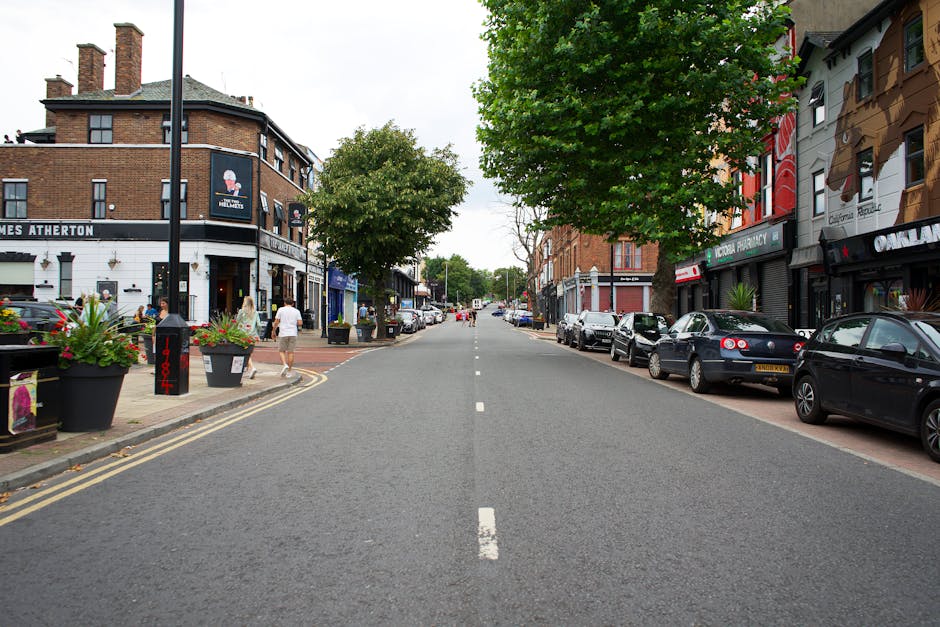
Southfields is one of those areas where a move can look deceptively simple until the practicalities start stacking up. Replingham Road in particular sits within a busy residential environment where access, timing, and property layout can shape the whole experience. If you are moving from a top-floor flat, a terraced house, or a property with limited front access, the margin for error shrinks fast.
That is why a local approach matters. A generic moving checklist is useful, but it does not always account for narrow entrances, shared hallways, resident parking considerations, or the amount of carrying involved when a vehicle cannot stop exactly where you want it. The best removals plan anticipates those details before anyone starts lifting.
It also matters because moving is not just about transport. It is about protecting furniture, avoiding damage to walls and flooring, keeping valuables organised, and making sure the move fits your schedule. In a neighbourhood like Southfields, that often means balancing convenience with preparation rather than relying on a rushed, last-minute solution.
Key takeaway: Local moves work best when the route, parking, item sizes, and access points are planned before the van arrives. That single habit can save time, effort, and avoidable stress.
If you are still deciding what kind of help you need, it can be useful to compare a full removals service with smaller transport support. The services overview is a good place to understand what is available, while the man with a van in Southfields option is often practical for lighter or more flexible moves.
How Replingham Road Moves: Tips for Southfields Residents Works
A successful move near Replingham Road usually follows the same broad pattern, even if the details change from property to property. First, you assess what is being moved. Then you decide what can be packed, dismantled, protected, stored, or transported directly. Finally, you coordinate access, timing, and loading so the day runs in a clean sequence rather than a scramble.
For many Southfields residents, the process starts with the property itself. Flats often involve stairs, limited lift access, or long walks from the van to the door. Houses may have better access but more furniture, more boxes, and more rooms to coordinate. Either way, the move becomes easier when you break it into manageable sections instead of treating it as one giant job.
The second part is packing and protection. Fragile items need the right materials, bulky furniture needs padding, and mattresses or sofas need coverings to stay clean during transport. If you are moving larger items, it is worth reading the guide on moving a mattress and bed safely and the advice on protecting sofas and upholstered furniture.
The third part is logistics. A good moving plan considers van size, loading order, route access, and whether you need support for heavier items. If there is a piano, a wardrobe, or a bulky dining table involved, specialist handling may be a smarter choice than improvising with friends and a few hopeful grunts. Let's face it, some furniture has no respect for good intentions.
Finally, there is the handover at the new address. Boxes should go into the correct rooms, breakables should be clearly marked, and the first essential items should be easy to reach. That small bit of structure pays off immediately when you are tired and trying to find a kettle, charger, or bedsheets on the first evening.
Key Benefits and Practical Advantages
There is a real difference between simply moving items and moving them well. When you plan properly, the benefits show up in ways that are easy to underestimate before the day begins.
- Less damage risk: Good packing and protection reduce the chance of scratched floors, chipped paint, and broken items.
- Better time control: A clear loading order and sensible schedule prevent unnecessary delays.
- Lower physical strain: More of the heavy lifting is managed safely and efficiently.
- Faster unpacking: Well-labelled boxes and room-by-room packing make settling in simpler.
- Cleaner move-out: A more organised exit helps if you are trying to hand back a property in good condition.
There is also a subtle but important benefit: reduced decision fatigue. Moving is full of tiny decisions, and too many of them made on the day can drain your energy fast. Planning ahead means fewer surprises, which usually means calmer execution.
For residents moving out of rented accommodation, combining removals planning with a proper clean is especially useful. The article on stress-free pre-move-out cleaning offers a practical way to stay organised before handover. If you are reducing clutter before packing, the guide to decluttering techniques for moving success can help you avoid taking unnecessary items with you.
Who This Is For and When It Makes Sense
This kind of move is relevant to a wide range of Southfields residents, not just people relocating across London. In practice, it is useful for anyone who needs to move in a way that respects space, timing, and access constraints.
You may find this especially relevant if you are:
- moving between flats with stairs or limited lift access
- relocating from a family house with larger furniture
- moving into Southfields for the first time and want local support
- leaving a rental and need to coordinate cleaning, packing, and transport
- downsizing and want to store some items before deciding what to keep
- moving on a tight schedule, such as at the end of a tenancy or work week
- transporting specialist items such as a piano, bed frame, or bulky furniture
It can also make sense if you are only moving a few rooms' worth of belongings rather than an entire property. In those cases, a smaller vehicle or flexible service may be more cost-efficient than booking more capacity than you need. The man and van service is often a sensible middle ground for compact moves, while flat removals in Southfields are better suited to apartment-based relocations with more structured support.
Step-by-Step Guidance
Below is a practical sequence you can follow to keep your move organised. Treat it as a working framework rather than a rigid rulebook.
- Take inventory early. Walk through each room and note the furniture, boxes, fragile items, and anything that needs dismantling.
- Sort and declutter. Decide what is worth moving, what can be donated, what can be recycled, and what should be stored. If you are unsure, the decluttering guide is a useful starting point.
- Measure the awkward pieces. Measure sofas, wardrobes, beds, and doors. It is a simple step that prevents a lot of swearing later.
- Book the right support. Match the job to the service. A lighter move may suit a removal van in Southfields, while larger homes may need house removals.
- Gather packing materials. Boxes, tape, wraps, covers, and labels are not optional if you want a tidy move. The packing and boxes Southfields page can help you think through what you need.
- Pack by category and room. Keep similar items together so unpacking is logical, not chaotic.
- Label clearly. Mark each box with the room, contents, and whether it is fragile.
- Prepare access points. Clear hallways, protect floors where needed, and make sure the van can load efficiently.
- Load in a sensible order. Heavy furniture and sturdy boxes usually go in first, with fragile or urgent items loaded with care and kept accessible.
- Check both properties before leaving. Look for overlooked drawers, cupboards, sockets, and keys.
If your move includes large furniture, it is worth looking at furniture removals in Southfields. The right approach here is not just about brute strength; it is about sequencing, protection, and a measured pace. That is where proper planning earns its keep.
Expert Tips for Better Results
Small refinements can make a move feel dramatically easier. These are the things experienced movers tend to pay attention to because they repeatedly save time or prevent damage.
1. Build your move around access, not just the address
Two properties on the same street can have very different moving experiences. A ground-floor flat with direct access is not the same as a second-floor place with a narrow staircase and no parking outside. Plan based on the building layout, not just the postcode.
2. Protect the items that are hardest to replace
Sentimental furniture, electronics, specialist equipment, and fragile household items should be wrapped and handled with extra care. For awkward furniture shapes, the advice in the sofa protection article is especially relevant.
3. Keep an essentials box within reach
This is one of the simplest habits, but it is often overlooked. Put kettle, mugs, phone charger, toiletries, medication, a change of clothes, and important documents into a clearly marked essentials box. You will thank yourself at 9 p.m. when you are too tired to hunt through eight identical boxes labelled "misc".
4. Do not overpack boxes
It is tempting to maximise each box, but weight matters. A box that is too heavy is harder to lift, more likely to fail, and more awkward to stack. Combine common sense with good packing discipline.
5. Use the right lifting method
If you are moving anything awkward by hand, use stable footing, controlled movement, and team lifting where possible. For more detail on handling heavy objects safely, the guide on solo heavy lifting and the piece on lifting technique are worth a look.
6. Think ahead about storage
If your completion date and move-in date do not line up neatly, temporary storage can reduce pressure. A storage plan can also help if you are downsizing or waiting on furniture decisions. In those cases, storage in Southfields may be a useful part of the wider move.
Common Mistakes to Avoid
Most moving problems are predictable. That is the good news. The bad news is that they are still easy to repeat if you are rushing.
- Leaving packing until the final day: This usually creates confusion and increases breakage risk.
- Ignoring access restrictions: If the van cannot park close by, the move takes longer and becomes more physically demanding.
- Not measuring furniture: Large pieces may not fit through certain doors or stair turns without careful planning.
- Using poor-quality boxes: Flimsy containers collapse and make stacking unsafe.
- Mixing essentials with general belongings: That makes the first night in the new place more stressful than it needs to be.
- Underestimating cleaning time: Move-out cleaning is often more involved than expected.
- Trying to lift too much alone: That is where minor strains and avoidable damage happen.
There is also a quieter mistake that people rarely notice until later: failing to book the right support for the type of property. A small job can become complicated if it includes awkward furniture, tight access, or heavy items. If that sounds familiar, the removal services Southfields page is a helpful way to understand broader options.
Tools, Resources and Recommendations
You do not need a warehouse of equipment to move well, but you do need the right basics. A few carefully chosen tools make a visible difference.
- Sturdy boxes: Use a mix of sizes, but avoid overloading any one box.
- Packing tape: Reinforce the bottom and top of boxes properly.
- Bubble wrap or paper: Good for breakables and empty spaces inside boxes.
- Furniture covers: Helpful for sofas, mattresses, and upholstered items.
- Labels and marker pens: Make room-by-room unpacking much easier.
- Gloves and lifting straps: Useful for secure grip and safer handling.
- Blankets and floor protection: Reduce scuffs on walls, bannisters, and flooring.
If you want a more detailed breakdown of packing strategy, the innovative packing tips article provides useful ideas for organising boxes and protecting belongings. For people moving on tight schedules, same-day removals in Southfields may also be worth considering, provided the move is planned carefully and the load is realistic.
For students, small flat moves, or seasonal relocations, a focused service may be enough. If your move is lighter and more compact, the student removals Southfields page can be especially relevant. And if you are moving a specialist instrument, the information on piano removals is essential reading before you attempt anything improvised.
Law, Compliance, Standards, or Best Practice
Most residential moves are not legally complex, but there are still standards and responsibilities worth respecting. Good moving practice is about safety, access, property care, and clear expectations.
First, if you are renting, check your tenancy documents for move-out obligations, cleaning expectations, key return details, and notice timing. Those terms vary, so it is better to confirm than assume. Second, if a move involves shared entrances, communal hallways, or building rules, try to avoid blocking access or damaging common areas. That is both considerate and practical.
From a safety perspective, reasonable care should be taken with lifting, carrying, and securing items. Heavy furniture should be handled with proper technique and enough people. If something is too awkward or heavy to move safely, that is a good sign to step back and choose a better method. The health and safety policy and insurance and safety information are useful references when you want to understand the standards a professional service should follow.
There are also practical trust markers worth checking before you book. A clear process, transparent pricing, sensible payment terms, and accessible complaints information are all signs of a properly run service. If you want to understand these details better, the pages on pricing and quotes, payment and security, and the complaints procedure are all relevant.
For the wider company background, the about us page, recycling and sustainability, and the accessibility statement can also help build confidence before you commit.
Options, Methods, or Comparison Table
Not every move needs the same level of support. The right choice depends on how much you are moving, how difficult the access is, and how much time and energy you have available.
| Option | Best for | Strengths | Trade-offs |
|---|---|---|---|
| DIY move | Very small loads and flexible schedules | Lowest upfront cost, full control | More lifting, more risk, more time pressure |
| Man and van | Studios, flats, light house loads, local transport | Flexible, efficient, cost-conscious | Less suited to large or complex household moves |
| Full removals service | Whole-property moves, larger furniture, complex access | More structured support and handling | Usually more involved to arrange |
| Storage-assisted move | Delayed completions, downsizing, staggered move-ins | Creates breathing room and flexibility | Requires planning around extra handling |
In simple terms, the more awkward the move, the more value you get from proper support. If your property has tight access or heavy furniture, a fully DIY approach can look cheap at first and expensive later when time, damage, and tiredness are counted honestly.
Case Study or Real-World Example
Imagine a Southfields resident moving from a first-floor flat near Replingham Road into a nearby house. The move seems modest: a sofa, bed frame, wardrobe, two bookcases, kitchen boxes, and a few fragile items. Nothing dramatic.
The first challenge appears before moving day. The sofa will fit through the living room door, but only if it is turned at an angle and protected properly. The bed frame needs dismantling. The wardrobe needs measuring to make sure it clears the stair turn. Boxes are easy enough, but the kitchen packing has to be more careful because a few items are breakable and often used daily.
By sorting the move into phases, the resident avoids common problems. The sofa is wrapped and handled with care, the bed is dismantled the night before, and the essentials box is kept separate. Because the route from flat to van is clear, loading takes less time than expected. The new property has enough room for boxes to be placed by room, which makes unpacking much calmer.
The overall result is not dramatic in the cinematic sense. No one cheers. No one should. But the move finishes on time, the furniture arrives intact, and the resident spends the evening assembling a bed rather than hunting for bedding in a mountain of cardboard. That is a good move.
Practical Checklist
Use this checklist as a final pre-move run-through. It is designed to catch the details that often get forgotten until the last minute.
- Confirmed moving date and access times
- Checked parking and loading access near both properties
- Measured large furniture and doorways
- Booked the right level of removal support
- Sorted items into keep, donate, store, or recycle
- Collected boxes, tape, wrapping, labels, and covers
- Packed essentials separately for immediate use
- Marked fragile boxes clearly
- Dismantled furniture where needed
- Protected floors, walls, and corners where appropriate
- Prepared keys, documents, and contact details
- Checked cupboards, loft spaces, drawers, and sockets before leaving
- Arranged cleaning if required before handover
- Planned storage if there is a gap between moving out and moving in
If you want a broader view of how to approach the whole process calmly, the article move house with confidence and no stress is a helpful companion piece.
Conclusion
A move near Replingham Road does not need to become a logistical drama. With a sensible plan, the right packing approach, and a moving service matched to the size of the job, Southfields residents can keep the day organised and manageable. The real win is not just speed; it is the combination of safety, control, and less mental clutter.
If you remember only one thing, make it this: prepare for access, protect your furniture, and keep your essentials separate. Those three habits solve more moving headaches than most people expect. And if you need more than a checklist, local help can make the difference between a tiring day and a well-run one.
Get a free quote today and see how much you can save.
![A man with Southfields-based Man with Van Southfields is inside a well-lit room, holding out a medium-sized cardboard box towards the camera during a home relocation process. The box is sealed with tape and features a red and white sticker indicating it is fragile, with the text 'Please Handle With Care, Fragile, Thank You.' The man appears to be smiling, wearing casual attire, and standing in front of a large arched window that lets in natural light, illuminating the interior space. In the background, there is furniture covered with protective blankets to prevent damage during furniture transport, and a doorway can be seen behind him. The scene captures the packing and loading aspect of a professional removals service, with attention to careful handling of delicate items during moving and relocation logistics, aligned with the services offered by [COMPANY_NAME] on their website, manwithvansouthfields.co.uk.](/pub/blogphoto/replingham-road-moves-tips-for-southfields-residents3.jpg)