Southfields Village Moves: Navigating Narrow Streets
Posted on 10/06/2026
Moving in Southfields Village can feel deceptively simple on a map, then suddenly very tight the moment a van turns into a residential street. Terraced homes, parked cars, corner bends, cyclists, school traffic, and the occasional bin day all add up. That is why Southfields Village Moves: Navigating Narrow Streets needs a different kind of planning from a standard house move. You are not just shifting boxes from A to B; you are working around access, timing, loading space, neighbours, and the very real possibility that a large vehicle simply will not fit where you hoped it would.
This guide breaks the process down in plain English. Whether you are moving from a flat near Southfields, handling a family house move, or arranging a careful furniture transfer, you will find practical steps, common pitfalls, and local considerations that actually matter. A little preparation goes a long way here, to be fair.
Why Southfields Village Moves: Navigating Narrow Streets Matters
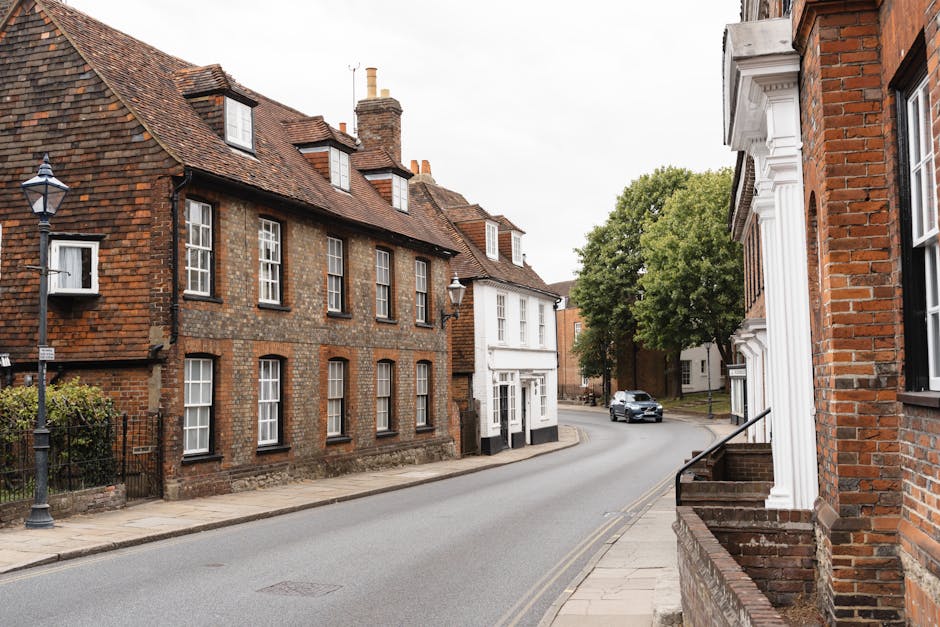
Southfields has its own rhythm. On some roads, you can almost sense the pinch points before you even get there: cars parked wheel-to-wheel, tighter kerbs, awkward junctions, and houses that look perfectly normal until you try to get a sofa through the front gate. That is the reality of moving in a built-up London neighbourhood.
Why does this matter so much? Because the success of a move often comes down to access, not effort. Even a well-packed van and a strong team can run into delays if there is nowhere to stop safely, if a load-out path is too long, or if a bulky item has to be turned at a sharp angle in a narrow passage. In our experience, people usually underestimate the access side of the job until moving day, and then everything gets ten times more stressful.
For local residents, the issue goes beyond convenience. A move on a narrow street can affect neighbours, parking availability, timing windows, and even how carefully fragile items need to be protected while carried outdoors. If you are moving furniture, using a man and van in Southfields or booking a larger team, the plan should reflect the street, not just the inventory.
There is also a practical cost element. Poor access can create extra labour time, a second trip, or a need for a smaller shuttle vehicle. None of that is disastrous, but it can be avoided with the right preparation. Truth be told, a move feels much calmer once everyone knows exactly where the van can stop and how each item will get to it.
How Southfields Village Moves: Navigating Narrow Streets Works
The process starts before the van arrives. Good narrow-street planning is really a sequence of small decisions: what can be loaded first, which route is safest, whether the largest furniture items need dismantling, and where the vehicle can pause without blocking traffic. It is part logistics, part common sense.
Most local moves follow a pattern like this:
- Access check - confirm road width, parking space, turning options, and any obstructions such as low branches, scaffolding, or resident-only bays.
- Inventory review - identify the items that are awkward, heavy, fragile, or oversized.
- Packing and protection - prepare blankets, covers, tape, labels, and box grouping so things can move quickly once loading begins.
- Load order planning - decide what comes out first and what must be kept last for easy access at the new property.
- Controlled loading - use the shortest, safest route from property to van, often with one person guiding and another carrying.
- Delivery and placement - unload in a way that avoids repeated lifting and lets you place items straight into the right room.
The real difference in narrow streets is that the loading route matters almost as much as the journey itself. A short carry down a front path can be straightforward. A long carry across two parked cars and a bend in the pavement? That changes the whole rhythm of the move.
If you are working with a service provider, it helps to choose one that understands local access conditions and offers flexible support through removal services in Southfields. That flexibility can be the difference between a tidy move and a messy one.
Key Benefits and Practical Advantages
Planning around narrow streets is not just about avoiding problems. Done well, it actually gives you a smoother, safer, and more efficient move. The benefits are tangible.
- Less stress on moving day - fewer surprises means fewer last-minute decisions.
- Reduced risk of damage - tighter control over carrying routes lowers the chance of scuffs, drops, and broken corners.
- Better time management - when access is mapped out properly, loading and unloading tend to move faster.
- Safer lifting - shorter, clearer paths reduce awkward turns and unnecessary strain.
- Improved neighbour relations - considerate scheduling and parking make a move far less disruptive.
- More predictable pricing - realistic access planning helps avoid awkward day-of adjustments.
There is also a confidence benefit that people often overlook. When you know the van can actually get in, or that a furniture item has already been measured against the doorway, the whole move feels less like guesswork. That sense of calm is worth something. Big time, actually.
For households with larger pieces, a focused service such as furniture removals in Southfields can be especially useful, because specialist handling becomes more important as access gets tighter.
Who This Is For and When It Makes Sense
Not every move in Southfields Village needs the same level of planning. A small box-only transfer is one thing; a full home relocation with a king-size bed, wardrobes, and a sofa is another story entirely. The narrower the street, the more you should think about access in advance.
This approach makes the most sense if you are:
- moving from or to a terraced property with limited frontage
- living on a road where parking is tight or heavily used
- moving a flat with stairs and a narrow communal entrance
- handling awkward items like wardrobes, mattresses, or pianos
- working to a same-day deadline and cannot afford delays
- moving student belongings with mixed box sizes and limited access space
It is also worth thinking about the stage of life you are in. Students often need fast, practical help, which is why student removals in Southfields can be a sensible fit. Families, meanwhile, may care more about careful scheduling around school runs and bedtime. Office moves bring a different pressure again, because access issues can interfere with other people's workday. One street, many moving styles.
Sometimes the move is small but still complicated. A single large sofa does not sound dramatic, until you try to pivot it through a narrow hallway with a sharp turn at the foot of the stairs. Lets face it, dimensions have a way of becoming important at exactly the wrong moment.
Step-by-Step Guidance
If you want a move to go smoothly in a tight Southfields street, the best approach is to build the move around the property access. Here is a practical way to do that.
1. Measure the important gaps
Measure doorways, hallway widths, stair turns, front steps, and any external gates. Do not rely on memory. A piece of furniture that looked manageable during purchase can feel suddenly enormous when you are carrying it outside in the rain. If needed, photograph the route so you can review problem spots later.
2. Confirm vehicle access early
Think about where a van could stop without causing issues. Narrow roads often mean the vehicle cannot sit directly outside the property for long. If parking is tricky, a smaller vehicle or a shuttle arrangement may be more practical than forcing a larger van into a poor position.
3. Reduce volume before moving day
Decluttering makes access problems easier to manage because fewer items need to pass through tight spaces. A good starting point is the advice in proven decluttering techniques for moving success. If you are unsure whether to keep, donate, or dispose of something, decide before the clock is ticking.
4. Pack for speed and protection
Boxes should be strong, clearly labelled, and not overfilled. Heavy items belong in smaller boxes. Fragile items need padding that actually stays put. For a broader approach, these packing tips for a smoother house move can help you organise rooms in a way that supports quicker loading.
5. Prepare furniture properly
Strip beds, remove table legs if practical, and protect corners. Sofas deserve particular care because fabric, leather, and frame edges can all take a beating on narrow stairwells. If you have a large settee or corner sofa, see how to protect sofas during a move for sensible wrapping ideas.
6. Handle awkward items separately
Mattresses, beds, and pianos all need special attention. A mattress can flex and catch on tight corners, while a piano needs controlled handling and proper equipment. For bed frames and bulky sleeping furniture, moving mattresses and beds safely is worth reading before moving day. And if you have a piano, it is far safer to use a specialist service such as piano removals in Southfields.
7. Stage everything near the exit
When the van arrives, you do not want to be hunting for keys, tape, or the missing kettle. Group items by room, keep essentials separate, and create a clear loading lane if you possibly can. It sounds basic. It matters a lot.
8. Keep one person on access duty
Someone needs to watch the street, direct the team, and respond if a neighbour wants to pass or a car appears. This small role saves a surprising amount of confusion. In a tight road, coordination is everything.
Expert Tips for Better Results
Here is where local experience tends to pay off. A few small choices can improve the whole move.
- Schedule with traffic in mind - early mornings are often calmer, but school runs and waste collection days can complicate things. Check the local pattern rather than assuming.
- Use protective coverings generously - corners, banisters, and thresholds are the usual casualties.
- Keep tools within reach - screwdrivers, Allen keys, tape, cutters, and gloves should be easy to grab.
- Do not overload boxes - tight spaces are hard enough without a box splitting on the stairs.
- Label by room and priority - "open first" items should be obvious.
- Communicate the awkward bits - if there is a low wall, a narrow lane, or a steep front step, say so early.
One helpful habit is to walk the route from the van position to the front door before lifting anything. It sounds almost too simple, but that quick walk helps you spot little problems that can derail a lift. A loose flowerpot. A slippery patch. A hedge that has grown half an inch too far. The tiny things always seem to show up at the least convenient time.
For anyone who wants more confidence with the physical side of moving, the guidance on solo heavy lifting and safer lifting techniques can be useful background, even if you are not planning to lift alone.

Common Mistakes to Avoid
Narrow-street moves tend to go wrong in predictable ways. The good news? Most of them are avoidable.
- Assuming the van can park right outside - that is often the first wrong assumption.
- Not measuring furniture - especially beds, wardrobes, and sofas.
- Forgetting building access rules - flats and managed properties may have time windows, lift restrictions, or entry procedures.
- Packing too late - last-minute packing creates messy boxes and bad decisions.
- Leaving the route cluttered - bins, bikes, prams, and loose items slow everything down.
- Using the wrong vehicle size - too big can be hard to position; too small can lead to extra trips.
- Ignoring neighbour impact - a polite heads-up often prevents frustration.
Another common one is underestimating how much carrying distance changes the pace of the job. A move with a ten-metre carry is very different from one with a forty-metre carry. That extra distance can turn a simple move into a sweaty, stop-start process. Nobody enjoys that. Nobody.
Tools, Resources and Recommendations
Having the right kit helps you stay organised and protect your belongings. You do not need to buy every gadget under the sun, but a handful of practical items can make a serious difference.
| Tool or resource | Why it helps | Best used for |
|---|---|---|
| Furniture blankets | Reduces scuffs and edge damage | Sofas, tables, cabinets |
| Ratchet straps or tie-downs | Helps secure loads in transit | Large furniture, stacked items |
| Strong tape and labels | Improves box identification and closure | Room-by-room packing |
| Dolly or sack truck | Reduces manual strain over short distances | Appliances, heavy boxes, dense items |
| Corner protectors | Protects vulnerable edges on furniture | Wardrobes, desks, frames |
If storage is needed between move-out and move-in, a local option like storage in Southfields can take pressure off the schedule. That can be especially helpful if access timings do not line up neatly or if you are moving gradually rather than all at once.
For box supply and packing materials, packing and boxes in Southfields is a sensible place to start. Good boxes are not glamorous, but they stop minor chaos becoming major chaos.
If you want to understand service choice more broadly, the services overview and removals in Southfields pages are useful reference points for comparing approaches.
Law, Compliance, Standards and Best Practice
Most home moves are not complicated from a legal standpoint, but there are still rules and standards worth respecting. These do not need to be dramatic; they just need to be handled properly.
Parking and access: always check local parking rules, permit requirements, and any restrictions that might apply to the street or property. If a van needs to stop in a restricted area, that should be planned in advance rather than guessed on the day.
Health and safety: moving teams should follow sensible manual handling practice, use appropriate equipment, and avoid unsafe lifting. If you are carrying items yourself, do not try to muscle through a bad lift because you are in a hurry. That is how people tweak backs or damage furniture.
Insurance and liability: any professional mover should be clear about what is covered and what is not. Before booking, it is worth reading the provider's insurance and safety information so expectations are clear. That is normal due diligence, not being difficult.
Service terms: check the booking terms, payment process, and cancellation conditions before you commit. The links for terms and conditions and payment and security are there for a reason, and it is better to read them than assume.
Accessibility and respect: good moving practice also means being mindful of people with limited mobility, pushchairs, or tight shared entrances. In a narrow street, a considerate approach is not just nice; it is part of doing the job properly.
For more on the company's operational standards and values, you can also review the health and safety policy, about us, and recycling and sustainability pages. They help build a fuller picture of how the service is run.
Options, Methods and Comparison Table
There is more than one way to handle a move in a narrow Southfields street. The right choice depends on how much you are moving, how tight access is, and how much help you want on the day.
| Approach | Best for | Pros | Trade-offs |
|---|---|---|---|
| Small man and van setup | Light moves, single-room moves, student relocations | Flexible, easier to position on tight streets | May need more handling if the load is large |
| Larger removal van | Full-house moves with more volume | More space, fewer trips | Harder to park and manoeuvre in narrow roads |
| Hybrid shuttle approach | Very awkward access or restricted parking | Flexible and practical in difficult streets | Can take longer and needs careful coordination |
| Specialist item service | Pianos, oversized furniture, fragile valuables | Extra protection and handling expertise | Usually more planning required |
If your move includes a mix of ordinary furniture and awkward items, it is often smarter to split the job up. For example, a standard home move might use a house removals service in Southfields, while the heaviest or most delicate pieces are planned separately. That keeps the operation simpler and less rushed.
Likewise, a short-notice job may be better handled through same-day removals in Southfields if timing is the main problem. Just bear in mind that short notice and narrow access together can be a tricky combination, so you need clear communication.
Case Study or Real-World Example
Picture a typical Southfields Village move: a two-bedroom flat on a residential road with parked cars on both sides, a narrow entrance hall, and a sofa that looked perfectly sensible in the showroom. On moving day, the van cannot stop directly outside for long. Not ideal, but manageable.
The team begins by checking the route from the flat to the curb. A low branch is slightly in the way. One neighbour has left a bin near the path. Nothing dramatic, just enough to slow things if nobody notices it early.
Here is what made the move work:
- The sofa was wrapped before it left the building, with corners protected first.
- Boxes were stacked by priority, so the first unload was easy to identify.
- The bed frame had been dismantled earlier in the morning.
- One person watched the street and kept the route clear.
- Fragile kitchen boxes were kept separate from heavier books and linen.
The move still took concentration, of course. Narrow streets always do. But because the access plan was discussed in advance, nobody had to improvise under pressure. And that is really the point. The job feels much lighter when the route is already understood.
If you have a more complex setup, especially in a flat or an upper-floor property, it can help to compare local options such as flat removals in Southfields and man with a van in Southfields so the method matches the property, not the other way round.
Practical Checklist
Use this as a last-minute run-through before moving day. It is the kind of list that saves people from saying, "Oh no, we forgot that bit."
- Measure doorways, hallways, stair turns, and any outside access points.
- Confirm where the van can park legally and safely.
- Check for roadworks, events, permit restrictions, or obvious street blockages.
- Label boxes clearly by room and priority.
- Dismantle beds, tables, or other bulky items where practical.
- Protect sofas, mattresses, and corners with blankets or covers.
- Set aside tools, tape, keys, chargers, and documents in one accessible bag.
- Keep a clear route from the property to the van.
- Tell the team about steep steps, low ceilings, or awkward bends.
- Plan for a backup option if the van cannot stop directly outside.
- Prepare water, a quick snack, and anything you will want in the first hour at the new place.
- Double-check terms, pricing, and insurance details before the move.
Small checklist, big difference. It really is that simple.
Conclusion
Moving through Southfields Village's narrower streets is less about brute force and more about preparation, timing, and sensible choices. If you plan the route, size up the furniture, pack with care, and choose the right moving method, the whole process becomes far more manageable. That is the quiet truth of it.
Whether you need help with a compact flat move, a family house relocation, or a carefully handled bulky item, local knowledge matters. The best moves are rarely the flashiest ones; they are the ones where the van fits, the boxes are labelled, and nobody has to guess what happens next.
Get a free quote today and see how much you can save.
And if you are still feeling a bit unsure, that is normal. Narrow-street moves ask for a bit more thought, but once the plan is in place, the rest tends to fall into line.