Staircase Lifts on Arthur Road: Safe Heavy-Item Handling
Posted on 18/06/2026
If you have ever tried to turn a sofa on a narrow landing, or carry a fridge up a tight stairwell, you will know the feeling: the item looks manageable until the stairs say otherwise. That is where staircase lifts on Arthur Road become more than a convenience. They are a practical, safer way to handle bulky, awkward, or fragile heavy items when the route indoors is simply not playing ball.
In this guide, we look at how staircase lifts on Arthur Road support safe heavy-item handling, what the process involves, who benefits most, and how to plan it properly. We will also cover common mistakes, compliance basics, and a realistic step-by-step approach so you can make a calm decision instead of a rushed one. Truth be told, that bit of planning can save a lot of stress later.
Why Staircase Lifts on Arthur Road: Safe Heavy-Item Handling Matters
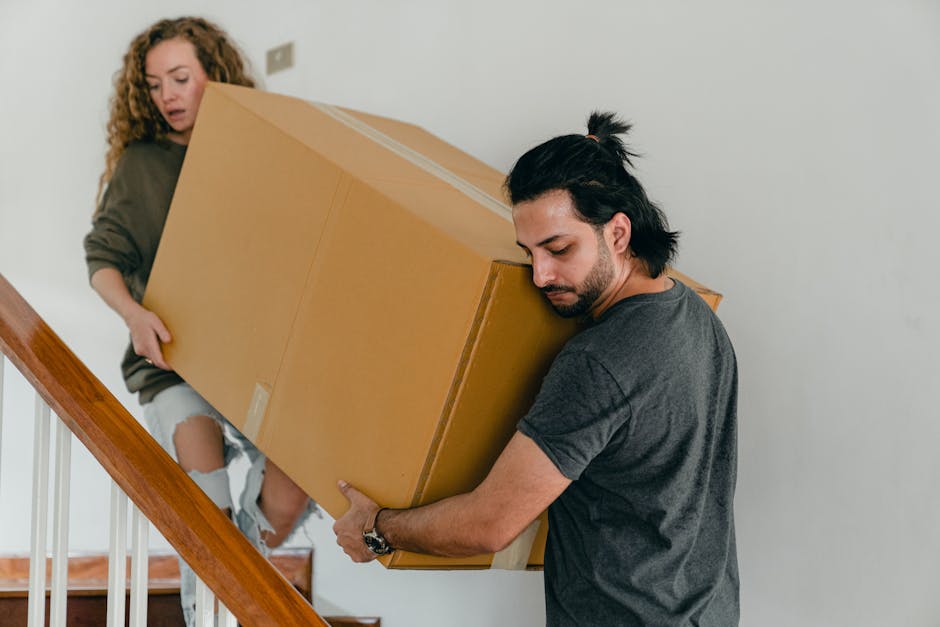
Staircases are unforgiving. One wrong angle, one slipped grip, or one overconfident lift and you can end up with damaged furniture, scuffed walls, or worse, a nasty strain. On Arthur Road, where homes and flats can involve tight entrances, shared hallways, and awkward turn points, the challenge gets bigger very quickly. Heavy-item handling is not just about muscle; it is about route planning, balance, and reducing risk.
That matters whether you are moving a wardrobe, a dining table, a filing cabinet, or a piece of specialist kit. It also matters for the people doing the lifting. Moving something heavy up or down stairs is one of those tasks that can look simple from the landing and wildly different on step three. A staircase lift changes the game by reducing carrying distance, improving control, and lowering the chance of accidental impact.
If you are already preparing a move, it can help to think about the whole journey, not only the staircase itself. Packing decisions, decluttering, and access planning all play a role. For example, the advice in these packing tips for a smoother house move can reduce the number of awkward, oversized items that need special handling in the first place.
Expert summary: The safest heavy-item move is usually the one planned before the item ever reaches the stairs. Measure, protect, assign roles, and decide whether a lift, carry, or dismantle-and-reassemble approach is the least risky route.
How Staircase Lifts on Arthur Road: Safe Heavy-Item Handling Works
In plain English, a staircase lift is a controlled moving method used to help position a heavy item up or down stairs without forcing the load through a risky manual carry. The exact setup depends on the property and item, but the principle stays the same: reduce strain, maintain control, and protect both the item and the staircase.
Typically, the process begins with an assessment. The team looks at stair width, ceiling height, bannister clearance, turning space, and the weight and shape of the item. That sounds obvious, but you would be surprised how often an item is judged by weight alone. A heavy mattress is one thing; a heavy sofa with wide arms and a stubborn frame is another entirely.
Depending on access, the team may use lifting straps, dollies, furniture sliders, shoulder harnesses, stair-climbing equipment, or a coordinated two-person carry. In some cases, items are partially dismantled before the lift. That is often the sensible call for large wardrobes, bed frames, or desks. If you are moving a bed as well, the guidance in our bed and mattress moving guide is a useful companion.
The important thing is not the equipment alone. It is the sequence. Good lifting is rhythmic, calm, and carefully communicated. One person leads, one supports, and everyone knows when to stop. No heroics. No wobbling down the stairs saying, "I've got it," when clearly nobody has.
For very bulky household pieces, the item is often wrapped, corner-protected, and secured before it gets anywhere near the stairwell. If you want to see why protection matters so much, the advice in sofa shielding and protection is a good example of how small preparation prevents big damage.
Key Benefits and Practical Advantages
Staircase lifts are not just about getting an item from A to B. They offer several practical advantages that make the whole move feel more controlled and less chaotic.
- Reduced physical strain: Less lifting pressure on backs, shoulders, and knees.
- Better control: Items are steadier on corners, steps, and landings.
- Lower damage risk: Fewer bumps against walls, banisters, and doorframes.
- More efficient timing: Large items can often be moved faster when the route is properly assessed.
- Improved safety in tight homes: Especially useful in older properties or homes with narrow stairs.
- Less stress for everyone: There is a noticeable difference between a planned lift and a last-minute shuffle.
There is also a quieter benefit that people do not always mention: confidence. Once you know the process is under control, the rest of the move tends to settle down. You stop worrying about every corner and start thinking about the bigger picture, which is usually a relief around lunch time when the kettle is still in a box somewhere.
If your move involves several bulky pieces, it may help to combine staircase lifting with careful sorting. The article on decluttering for moving success can help you decide what is worth moving, storing, or disposing of before the lifting starts.
Who This Is For and When It Makes Sense
Staircase lifts on Arthur Road make sense for more people than you might expect. It is not only for oversized furniture or piano moves, though those are obvious examples. The right choice depends on item shape, access conditions, time pressure, and the number of people available to help.
This approach is especially useful if you are:
- moving into or out of a flat with a tight stairwell
- handling a sofa, wardrobe, fridge, bed frame, or washing machine
- moving fragile or expensive items that should not be tipped or dragged
- working with limited help on moving day
- dealing with a narrow entrance or a tricky turn on the stairs
- trying to reduce noise, damage, and disruption for neighbours
It can also make sense for landlords, letting agents, and business owners. A heavy delivery to an upper floor office or a furnished rental often needs more careful handling than people expect. If you want broader context on moving support, the page on removal services overview is useful for understanding how different move types fit together.
For local residents in Southfields, the challenge is often not just weight but geometry. A staircase may be wide enough for one item, but not with the necessary tilt. Or the item may fit on paper and fail at the landing. That is where experience counts. A good mover can spot trouble before the first step is taken.
Step-by-Step Guidance
If you want safe heavy-item handling to go smoothly, use a structured approach. Rushing this part is where things get messy.
- Measure the item and the route. Check height, width, depth, and any awkward protrusions. Then measure stair width, landing space, and doorway clearance.
- Identify hazards. Loose rugs, poor lighting, wet footwear, and narrow corners all increase risk. Clear them early.
- Decide whether the item should be dismantled. Some furniture is much safer in parts. A bed frame or wardrobe often becomes far easier to manage once separated.
- Protect the item and the property. Use blankets, corner guards, wrap, and floor protection where needed.
- Assign roles before lifting. One person leads the movement and gives instructions. Everyone else follows the same plan.
- Use the right equipment. Lifting straps, sliders, trolleys, and stair aids should match the load. Improvising with a towel and hope is not a plan.
- Move slowly and communicate clearly. Pause at turns, check grip points, and avoid twisting under load.
- Test the route with a dry run. If it looks tight, try the path without the item first.
- Review the result. Check for scrapes, strain, or route problems so the next item goes better.
A small but important detail: take the time to walk the route in advance, especially if the building has shared access or unusual stair geometry. In local moves, people often focus on the van and forget the final ten metres inside the building. Yet those ten metres are where the trouble usually lives.
For awkward final-stage access, the article on parking and access in SW18 can help you think through the outside-to-inside transition more clearly. And if your move is last-minute, the piece on late-notice move-in options may save you a headache.
Expert Tips for Better Results
The best heavy-item handling often comes down to small decisions made early. Nothing glamorous, just smart habits.
- Strip the item down before moving day. Remove drawers, loose shelves, cushions, or detachable legs where appropriate.
- Protect corners and edges first. That is where most accidental knocks happen.
- Keep the load low and balanced. A lower centre of gravity makes stair movement safer.
- Use gloves with grip. Not fancy, just practical. Slippery hands make everyone nervous.
- Watch the landing, not just the stair. Landings often cause more problems than the steps themselves.
- Have a clear pause point. If the item needs adjustment, stop on a stable section, not mid-turn.
- Protect neighbours and shared areas. A considerate move is usually a smoother move.
One practical trick is to rehearse the most difficult part of the route without carrying the load. You will often spot a bannister, light fitting, or awkward angle that was invisible in your head at 8:00 in the morning. Strange how that works.
If the item is a piano or something equally unforgiving, do not wing it. The article on professional piano moving is a good reminder that some objects need specialist handling, not enthusiasm.
Common Mistakes to Avoid
Most problems with staircase lifts are predictable. The good news is that predictable problems are usually preventable.
- Underestimating the weight distribution: A light item can still be awkward if it is tall, top-heavy, or bulky.
- Skipping measurement: "It should fit" is not the same as measuring properly.
- Not planning the turn: Stair turns and landings are where rushed lifts become dangerous.
- Using too few people: One strong person is not a substitute for a stable team.
- Forgetting to protect surfaces: A scuffed wall is a small problem until the deposit conversation starts.
- Trying to carry through fatigue: Tired hands and tired judgement are a rough combination.
- Leaving packing for the last minute: Poor packing makes everything harder, especially heavy items.
Another common error is trying to solve a stair issue with force rather than technique. That usually ends the same way: a pause, a recalculation, and someone muttering, "Right, we should have taken the legs off." Better to say that before the lift than after it.
For the broader moving process, the article move house with confidence and less stress brings the planning mindset together nicely. And if packing still feels like the bottleneck, the guide to innovative packing tips is worth a look.
Tools, Resources and Recommendations
You do not need a van full of specialist kit to handle heavy items safely, but having the right tools available makes a noticeable difference. The right kit depends on the item and the property.
| Tool or Resource | Best For | Why It Helps |
|---|---|---|
| Furniture blankets | Sofas, cabinets, wooden items | Reduces scuffs, dents, and edge damage |
| Lifting straps | Large and heavy household items | Improves grip and sharing of load |
| Furniture sliders | Flat-floor movement before stairs | Makes positioning easier and lowers strain |
| Stair-climbing trolley | Boxes, appliances, compact heavy items | Helps control movement on steps |
| Corner protectors | Doorframes and narrow turns | Protects surfaces in tight spaces |
| Strong tape and wrapping | Loose components and fragile items | Stops parts shifting mid-move |
Outside of physical equipment, good preparation resources matter too. If you are still deciding what to move, store, or let go of, the guide to decluttering techniques for moving success is a smart place to start. If you need somewhere to keep items temporarily, storage options in Southfields can be part of a staged move plan.
And for people who are juggling a lot at once, the practical advice in solo heavy lifting made simpler is a useful reality check. Sometimes the smartest move is to slow down, not push harder.
Law, Compliance, Standards, or Best Practice
Heavy-item handling is not just a practical job; it also sits within broader safety duties and normal UK expectations around risk reduction. You do not need to become a compliance expert to move a sofa, but you should understand the general principles.
In the UK, employers and service providers are expected to think about safe working practices, manual handling risk, suitable equipment, and reasonable care for people and property. For removals work, that usually means assessing the load, using enough people, avoiding unnecessary lifting, and planning the route before the lift starts. That is good practice whether or not anyone has written it down in a folder.
If you are hiring a removals team, it is sensible to ask how they approach safety, insurance, and property protection. Look for clear answers rather than vague reassurances. A careful company should be able to explain how it handles access issues, fragile items, and stairwell moves in a straightforward way.
You may also want to check how your provider approaches insurance and safety, especially if you are moving expensive furniture or specialist equipment. The page on insurance and safety is relevant for this kind of reassurance. For general working standards, the health and safety policy gives a useful signal that the business takes risk seriously.
Privacy, terms, and payment handling matter too, especially if you are booking in advance or sharing personal details. If you want to review those basics, the site's terms and conditions and payment and security information are worth checking before you confirm anything.
Options, Methods, or Comparison Table
There is more than one way to move a heavy item up stairs. The right choice depends on the item, the property, and the level of risk you are willing to accept. Here is a simple comparison.
| Method | Best For | Strengths | Trade-Offs |
|---|---|---|---|
| Manual two-person carry | Medium items with manageable shape | Simple, flexible, low equipment needs | Higher strain, more control needed on turns |
| Staircase lift / assisted lift | Heavy, awkward, or fragile items | Better control, less strain, safer on stairs | Needs good planning and suitable access |
| Dismantle and reassemble | Large furniture with removable parts | Makes narrow routes easier | Takes longer, needs careful reassembly |
| Specialist moving equipment | Appliances, oversized items, specialist pieces | Improves safety and efficiency | May require experienced handling |
To be fair, many moves use a combination of methods. A wardrobe might be dismantled, a sofa wrapped and carried, and smaller boxes moved with a trolley. There is no prize for forcing everything through the same process. Adaptability is the real win.
For furniture-specific planning, furniture removals in Southfields is a useful service page to consider alongside your staircase lift planning. If you are moving a flat specifically, the guidance on flat removals in Southfields may fit your situation more closely.
Case Study or Real-World Example
Imagine a typical Arthur Road flat move: a two-bedroom home, one narrow staircase, a sofa that is just a touch too wide, and a dining table with legs that make it awkward to grip. The moving team arrives early, does a quick route check, and immediately spots the issue. The sofa can likely be moved with protection and a coordinated lift, but the table needs the legs removed before anything else happens.
Rather than forcing the table through the stairwell and hoping for the best, the team separates the legs, wraps the top, and assigns one person to lead the angle at the landing. The sofa is protected with blankets and corner guards, then moved with slow, clear communication. Nothing dramatic. No panic. Just a sensible sequence.
The result? Less wall contact, fewer stop-start movements, and a move that feels controlled instead of noisy and chaotic. The client is not left with scrapes on the banister or that horrible moment of hearing a "thud" that nobody wants to explain. And the best part is that the heavier items are handled without everyone feeling like they have done a gym session before breakfast.
This kind of move also benefits from broader preparation. A useful related read is Arthur Road to Southfields Tube moving routes, which can help you think about access timing and local traffic flow. If you are moving around Southfields more generally, navigating narrow streets in Southfields Village is another practical companion piece.
Practical Checklist
Before moving day, run through this list. It is simple, but it catches a lot of avoidable problems.
- Measure the item, staircase, and any landings or doorways
- Decide whether the item should be dismantled
- Clear the route of rugs, clutter, and obstacles
- Protect walls, doors, corners, and floors
- Check lighting and visibility on the staircase
- Assign roles for lifting and guiding
- Prepare straps, blankets, tape, sliders, or trolleys
- Confirm where parking and access will happen outside
- Keep water, gloves, and basic tools to hand
- Have a plan for storage if the item cannot go straight in
- Review any booking terms and insurance details beforehand
If your moving day is complicated, you may also find it helpful to compare a few related support options. For example, man and van services in Southfields can suit smaller moves, while removal services in Southfields can cover more involved jobs. For urgent situations, same-day removals may be the practical answer when time is tight.
Conclusion
Staircase lifts on Arthur Road are about more than getting a heavy item upstairs. They are about doing it safely, with less strain, less damage, and less last-minute drama. When planned properly, they turn a risky part of the move into a manageable one. That is the real value.
The biggest lesson is fairly simple: measure first, protect well, use the right method, and do not force an awkward item through an awkward route just because you would rather be done. A few thoughtful steps before the lift usually pay off in a very visible way. Your walls stay cleaner, your furniture arrives in better shape, and everyone feels a bit more human by the end of it.
Get a free quote today and see how much you can save.
For a move that feels calmer from the start, it helps to work with people who understand the local streets, the building access, and the practical realities of heavy-item handling. That quiet confidence makes a difference.