Recycling and Sustainability for Man With Van Southfields
 Man With Van Southfields is committed to moving homes and businesses in a way that supports cleaner streets, lower emissions, and smarter resource use. In a busy part of southwest London, recycling and sustainability are not afterthoughts; they are part of how removals and collections can be carried out responsibly. By focusing on recycling-led disposal, careful sorting, and efficient route planning, Man With Van Southfields helps reduce the amount of material that ends up in landfill while keeping reuse at the front of the process.
Southfields sits close to boroughs that place a strong emphasis on waste separation, which means mixed materials often need to be divided into paper, plastics, metals, glass, textiles, garden waste, and general refuse before they can be processed correctly. That local approach to sorting encourages households and businesses to be more mindful about what is thrown away. A modern Man With Van Southfields recycling service can support this by identifying items that can be recycled, donated, or taken to the appropriate facility instead of being treated as waste.
The sustainability target for the service is clear: at least 85% of all recoverable items handled during suitable collections should be diverted from landfill through reuse, recycling, or responsible reprocessing. This recycling percentage target is ambitious but practical, especially when collections are planned around segregation at source. Furniture in reusable condition, scrap metal, cardboard, and certain electrical items can often be separated early, making the overall process cleaner and more efficient.
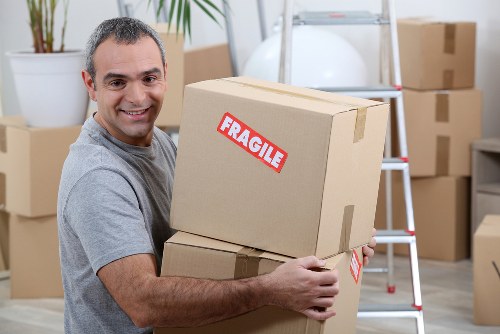 To support this target, the team works with local transfer stations and licensed waste facilities in and around southwest London. Using nearby transfer stations reduces journey lengths and allows loads to be weighed, sorted, and directed toward the right recycling stream. Materials from a Southfields man and van recycling job might be routed to facilities serving Wandsworth, Merton, or neighbouring borough networks, depending on the type of material and the most suitable processing route available at the time.
These facilities are especially important for mixed removals, where one collection may include old shelving, packaging, broken appliances, textiles, and renovation leftovers. A well-organised recycling collection in Southfields can use the transfer-station model to keep items moving into the correct local recovery chain. Light waste separation is often enough to make a major difference, particularly where borough systems favour clear divisions between dry mixed recycling and residual waste.
In practice, that means more items can be kept in circulation. Cardboard from house moves, clean plastic packaging, metals from dismantled furniture, and even some wood offcuts can be directed away from general waste. In the same way, residents who follow borough sorting rules make it easier for Man With Van Southfields sustainability services to extend the life of materials and reduce contamination in recycling loads.
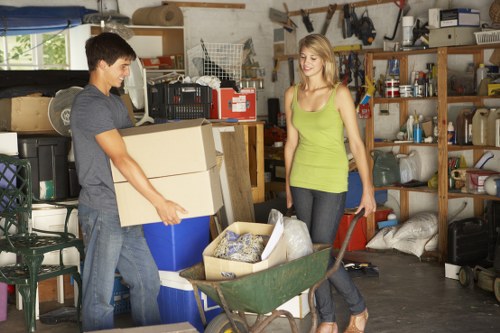 Another key part of the approach is partnerships with charities and reuse organisations. Before anything is recycled, suitable items are checked for donation potential. Sofas, tables, wardrobes, kitchenware, books, toys, and office furniture may all be useful to local good causes if they are in safe, clean, and functional condition. These partnerships help ensure that a Southfields waste recycling service supports people as well as the environment.
Charity partnerships are especially valuable during probate clearances, flat moves, refurbishments, and small office relocations. Items that no longer fit one property may still have years of life left in them. By channeling these items to charities, Man With Van Southfields recycling and reuse practices help reduce demand for new goods, cut down on manufacturing emissions, and support local communities through affordable second-hand provision.
The reuse-first approach also fits the wider sustainability culture of London boroughs, where residents are increasingly encouraged to think about waste as a resource. A chair with minor wear, a working lamp, or surplus shelving does not need to become landfill simply because it is no longer needed by one household. Reuse, donation, and repair form the first stage of the hierarchy, with recycling coming next and disposal only as a last resort.
Transport choices also matter. The fleet used for Man With Van Southfields sustainability work includes low-carbon vans designed to reduce emissions per job. These vehicles are selected for efficient fuel use, cleaner engine technology, and smarter load planning. Fewer trips, fuller loads, and well-mapped routes all help reduce the carbon footprint of every collection and delivery. In urban areas with frequent stopping and starting, that efficiency can make a noticeable difference.
Low-carbon vans are especially useful for local recycling collections because many jobs involve short-distance transport between homes, transfer stations, charity drop-offs, and recovery facilities. A van that uses less fuel and carries more per run supports a more sustainable cycle. Combined with careful scheduling, this creates a low-emission Southfields van service that fits modern expectations for environmentally responsible removals.
There is also a practical benefit in keeping the service local. Southfields is connected to a network of borough collection rules and nearby sorting points, so moving items efficiently through that network helps prevent unnecessary mileage. When collections are planned with sustainability in mind, the result is a cleaner service that matches the pace of city life without adding avoidable environmental pressure.
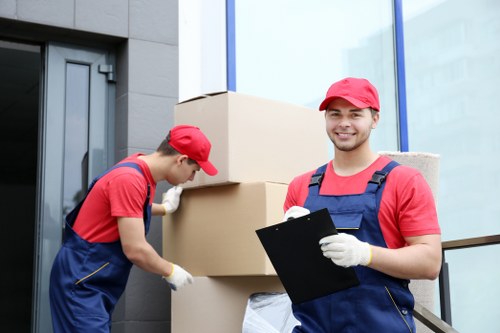 For households and businesses alike, the wider message is simple: sustainability is not only about what gets taken away, but also about how carefully it is handled. A thoughtful man with van in Southfields recycling solution will prioritise reuse, then recycling, then responsible disposal. This order matters because it keeps value in the system for longer and reduces waste streams that would otherwise be harder to process.
It also supports local borough efforts that often distinguish between separated dry recycling, food waste, garden waste, and non-recyclable material. That separation culture means collections must remain adaptable, with every item assessed properly before it is sent onward. Whether the job involves a few bags of mixed household items or a larger clearance, the goal is always to recover as much as possible.
In that sense, Man With Van Southfields is not just moving items from one place to another. It is helping to close the loop on resource use, supporting charities, keeping useful goods in circulation, and ensuring that recyclable materials are directed to the right facilities. The result is a practical, local sustainability model that suits both the area and the people who live and work in it.
 Recycling and sustainability are strongest when every step is designed with care. Through a clear recycling percentage target, links to local transfer stations, partnerships with charities, and low-carbon vans, Man With Van Southfields offers a greener way to manage removals and collections. By embracing reuse and the borough’s waste-separation mindset, the service helps Southfields move forward with lower impact and higher recovery.